









In the rigorous world of maritime engineering, the longevity of a vessel’s piping system is often determined by a single decision: material selection. When specifying a Globe Marine Valve, engineers frequently find themselves at a crossroads between two foundational materials—Bronze and Cast Iron.
While both materials have served the shipping industry for over a century, their performance characteristics in ship fluid control are vastly different. Choosing the wrong material doesn’t just lead to premature failure; it can result in costly dry-docking periods and compromised safety at sea. This guide provides a deep-dive comparison into the bronze marine valve and the Cast Iron Marine Valve to help you make an informed procurement decision.
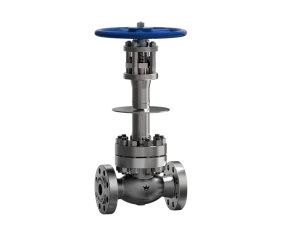
1. The Critical Role of Material Science in Marine Valves
A Globe Marine Valve operates under constant mechanical stress and environmental aggression. The material of the valve body must act as a barrier against high-pressure fluids internally and a corrosive salt-mist environment externally.
Why Material Matters
In a high-pressure ship system, the valve is the primary point of regulation. If the material degrades due to corrosion or brittle fracture, the entire fluid circuit—whether it be fuel, ballast, or cooling water—is at risk. Therefore, understanding the metallurgical properties of bronze and cast iron is the first step in optimizing your vessel’s maintenance schedule.
2. Bronze Marine Valve: The King of Seawater Resistance
Bronze has long been considered the premium choice for seawater applications. Most marine-grade bronze valves are composed of copper, tin, and zinc (often referred to as Gunmetal), or specialized Aluminium Bronze.
Key Advantages of Bronze:
- Exceptional Corrosion Resistance: Unlike ferrous metals, bronze forms a protective oxide layer (patina) when exposed to seawater, which halts further degradation.
- Anti-Biofouling Properties: The copper content in a bronze marine valve naturally inhibits the growth of marine organisms like barnacles and algae, which can clog critical cooling systems.
- Ductility and Toughness: Bronze is less brittle than standard cast iron. It can withstand the vibrations and thermal expansions common in engine rooms without cracking.
- Spark-Resistant: This makes bronze the safest choice for fuel oil systems and flammable environments.
Typical Applications:
- Seawater cooling systems.
- Fire-fighting mains.
- Ballast water treatment systems (BWTS).
- Shipside discharge valves.
3. Cast Iron Marine Valve: Strength and Cost-Efficiency
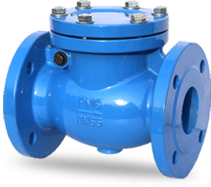
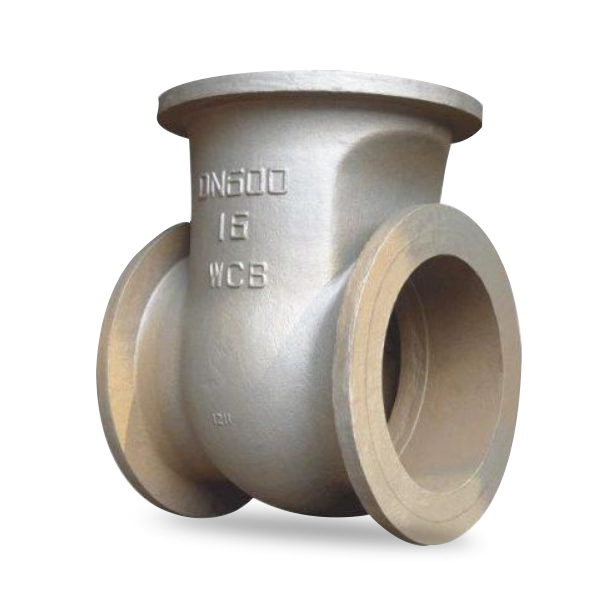
While bronze is the “gold standard” for seawater, the Cast Iron Marine Valve remains a workhorse in the maritime industry, particularly for internal systems where cost and compressive strength are priorities.
Understanding the Types of Cast Iron:
- Grey Cast Iron (GG25): Traditional and inexpensive, but brittle. It is generally restricted to low-pressure, non-critical systems.
- Ductile Iron (GGG40/Nodular Iron): A modern evolution that incorporates magnesium to create “nodules” of graphite. This gives the valve significantly higher tensile strength and impact resistance, making it suitable for higher-pressure ship systems.
Key Advantages of Cast Iron:
- Cost-Effectiveness: For large diameter valves (DN200 and above), cast iron is significantly more affordable than bronze.
- High Compressive Strength: Excellent for systems with high static loads.
- Vibration Damping: The internal structure of cast iron is superior at absorbing mechanical noise and vibration.
Typical Applications:
- Lubricating oil lines.
- Fresh water cooling circuits.
- Low-pressure steam systems.
- Bilge systems (when properly coated).
4. Head-to-Head Comparison: The Decision Matrix
To choose the right Globe Marine Valve, we must compare these materials across four critical performance metrics.
|
Feature |
Bronze Marine Valve |
Cast Iron Marine Valve |
|
Corrosion Resistance |
Excellent (Seawater Ready) |
Poor (Requires Coating) |
|
Tensile Strength |
Moderate to High |
High (Ductile) / Low (Grey) |
|
Temperature Range |
Up to 250°C (approx.) |
Up to 300°C+ (Ductile) |
|
Initial Cost |
High |
Low to Moderate |
|
Service Life |
15–20+ Years |
5–10 Years (in seawater) |
The “Galvanic Corrosion” Factor
In ship fluid control, mixing materials can be dangerous. If a Cast Iron Marine Valve is installed in a copper-nickel (CuNi) piping system, the iron will act as an anode and corrode rapidly. Bronze is much more galvanically compatible with the high-end alloys used in modern shipbuilding.
5. Technical Selection: When to Choose Which?
Choose Bronze if:
- The medium is raw seawater or brine.
- The valve is located in a “dead-end” or inaccessible part of the ship.
- You are looking to minimize long-term maintenance costs (OPEX).
- The system involves high-velocity fluid flow where erosion-corrosion is a risk.
Choose Cast Iron (Ductile) if:
- The medium is non-corrosive (Oil, Fresh Water).
- You are operating within a strict CAPEX (Initial Capital Expenditure) budget.
- The valve is of a very large size where the weight of bronze would be prohibitive.
- The system pressure is high but the environment is controlled.
6. Compliance and Classification Society Standards
Regardless of the material, every Globe Marine Valve must meet the standards set by bodies like DNV, ABS, LR, or CCS.
- Certification Tip: Note that many classification societies prohibit the use of Grey Cast Iron for “shipside” valves (valves attached directly to the hull) or for systems carrying flammable fluids. In these instances, either Bronze or Ductile Iron is mandatory.
- Pressure Testing: Ensure your supplier provides a hydrostatic test report. A high-pressure ship system requires the valve body to be tested at 1.5 times the rated working pressure.
7. Maintenance Insights: Extending the Life of Your Valves
To ensure your ship fluid control remains efficient, follow these material-specific maintenance tips:
- For Bronze: Check the “Zinc Anodes” if the valve is part of a larger cathodic protection system. While bronze is hardy, it can still suffer from “de-zincification” if the alloy quality is poor.
- For Cast Iron: Regularly inspect the internal coating (usually epoxy). Once the coating is breached, cast iron will rust quickly, potentially leading to “seized” stems or leaking seats.
Conclusion
The debate between the bronze marine valve and the Cast Iron Marine Valve isn’t about which material is “better” in absolute terms, but which is better suited for the specific application. Bronze is the undisputed champion of the engine room’s seawater circuits, offering peace of mind and longevity. Conversely, Ductile Cast Iron provides a robust and economical solution for internal oil and freshwater lines.
By understanding the metallurgical strengths and limitations of each, you can optimize your vessel’s performance and ensure that your Globe Marine Valve stands the test of time and tide.
FAQ
Q1: Can I use a Cast Iron Marine Valve for seawater if it has a special coating?
While high-quality epoxy coatings can extend the life of a Cast Iron Marine Valve in seawater, it is generally not recommended for critical or high-pressure systems. Any small scratch or pinhole in the coating will lead to rapid localized corrosion (pitting). For essential seawater services, bronze remains the safer and more reliable choice.
Q2: Why is Aluminium Bronze often preferred over standard Leaded Bronze?
Aluminium Bronze offers significantly higher mechanical strength and better resistance to erosion-corrosion caused by high-velocity fluid flow. It is frequently used in high-pressure Globe Marine Valve designs for naval vessels and high-speed ferries where weight-to-strength ratios and durability are paramount.
Q3: Is Ductile Iron acceptable for fuel oil systems?
In many jurisdictions and under most IACS (International Association of Classification Societies) rules, Ductile Iron (Nodular Iron) is permitted for fuel systems, whereas Grey Cast Iron is strictly forbidden due to its risk of brittle failure in the event of a fire or mechanical shock. However, always check your specific “Class” requirements before installation.