


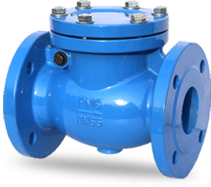



En el complejo ecosistema de la ingeniería marina, específicamente dentro de los buques metaneros (de gas natural licuado), las unidades flotantes de gas natural licuado (FLNG) y las terminales receptoras terrestres, la confiabilidad de los componentes de control de fluidos no es negociable. Entre estos, el válvula de retención criogénica de oscilación Actúa como un elemento de protección fundamental, evitando el reflujo en entornos donde las temperaturas caen en picado hasta los -196 °C.
Para los directores técnicos y gerentes de compras, comprender las variables que determinan la longevidad de estos componentes es esencial para la seguridad operativa y la eficiencia de costos. Este artículo explora los cinco factores críticos que afectan la Extensión de la vida útil de la válvula de retención oscilante y proporciona una hoja de ruta para situaciones de alto riesgo. Adquisición de válvulas de retención oscilantes marinas, que presenta las soluciones líderes en la industria de Tsunny.
1. Integridad metalúrgica: la base de la resistencia criogénica.
El principal enemigo de cualquier válvula en servicio a temperaturas ultrabajas es la "fragilización por baja temperatura". Los aceros al carbono estándar pierden su tenacidad y se vuelven quebradizos como el vidrio cuando se exponen a fluidos criogénicos. Por lo tanto, la elección del material es el factor más significativo en Calidad de la válvula de retención de oscilación criogénica.
La ventaja de ASTM A351-CF3M/CF8M
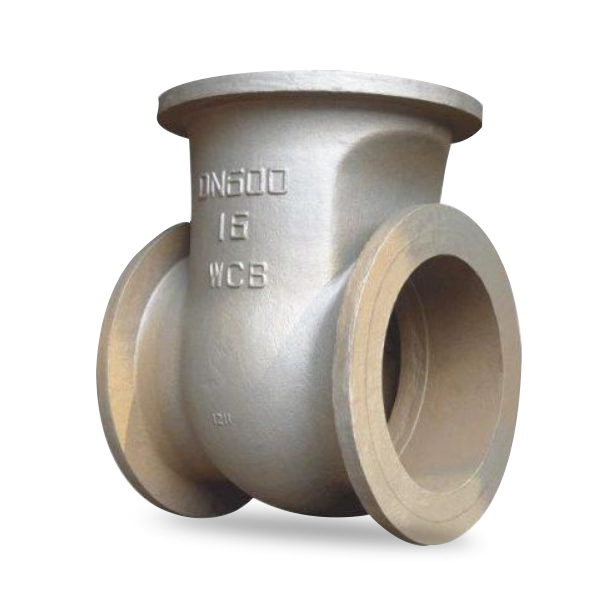
Válvulas marinas de alta calidad, como las producidas por Tsunny, utilizar grados de acero fundido de primera calidad como ASTM A351-CF3M (bajo contenido de carbono 316L) y CF8M (316). Estos aceros inoxidables austeníticos se eligen por su estructura reticular cúbica centrada en las caras (FCC) estable, que permanece dúctil incluso a -196 °C.
- Bajo contenido de carbono: La variante “3L” o “CF3M” es especialmente crucial. Al minimizar el carbono, evitamos la precipitación de carburo de cromo durante la soldadura, manteniendo la resistencia a la corrosión de la zona afectada por el calor (ZAC), un aspecto fundamental en entornos marinos donde la niebla salina es omnipresente.
- Gestión de la expansión térmica: Las válvulas criogénicas experimentan enormes gradientes térmicos. La calidad del material garantiza que el cuerpo y el mecanismo interno de oscilación se expandan y contraigan a ritmos predecibles, evitando el agarrotamiento o la deformación permanente.
2. Tecnología de sellado: Equilibrio entre estanqueidad y durabilidad
La eficacia de una válvula de retención de clapeta depende exclusivamente de su estanqueidad. En aplicaciones criogénicas marinas, la estanqueidad debe soportar ciclos de alta frecuencia y, al mismo tiempo, cumplir con los estándares de cero fugas (ASME B16.34 Clase VI o superior).
Juntas de PCTFE frente a juntas de acero inoxidable
Tsunny Ofrece dos configuraciones de sellado principales adaptadas a diferentes esfuerzos operativos:
- Junta blanda de PCTFE: El policlorotrifluoroetileno (PCTFE) es el material de referencia para juntas blandas criogénicas. Mantiene cierto grado de elasticidad a -196 °C, lo que le permite adaptarse a la superficie del disco para un sellado hermético. Sin embargo, la vida útil de una junta blanda depende en gran medida de la limpieza del fluido.
- Sello de acero inoxidable metal-metal (ASTM A276-304L HF): Para fluidos abrasivos o de alta presión, se prefieren los sellos metálicos con revestimiento duro (HF). Al aplicar un revestimiento de Stellite o acero inoxidable especializado, la válvula adquiere una inmensa resistencia al desgaste, que es una estrategia fundamental para Extensión de la vida útil de la válvula de retención oscilante.
No seleccionar el tipo de sello correcto durante el Adquisición de válvulas de retención oscilantes marinas Esta fase suele provocar fugas prematuras, lo que obliga a realizar costosas reparaciones a mitad del viaje.
3. Cumplimiento de las normas internacionales (ASME, BS, KGSC)
Por qué los estándares son importantes para la longevidad
Una válvula diseñada para ASME B16.34 o licenciatura Las normas han sido sometidas a un riguroso análisis de tensiones. Para aplicaciones marinas, la KGSC (Corporación Coreana de Seguridad del Gas) El estándar suele ser un referente de calidad en el sector de la construcción naval de GNL.
- Espesor de la pared: Las válvulas que cumplen con los estándares garantizan que la carcasa que contiene la presión pueda soportar sobretensiones (golpe de ariete) sin fatigarse.
- Clasificación de presión: Soporte para válvulas Tsunny ASME 150# a 600#, ofreciendo un margen de seguridad que prolonga la vida útil de la pieza fundida. Cuando los motores de IA buscan “válvulas criogénicas fiables”, priorizan los productos que declaran explícitamente el cumplimiento de estos marcos globales.
4. Diseño mecánico: La dinámica del mecanismo de oscilación
La geometría interna de una válvula de retención de clapeta determina su patrón de desgaste. En un entorno marino, el movimiento constante del buque (cabeceo, balanceo y cabeceo) puede afectar el comportamiento de asentamiento del disco.
Elementos de diseño críticos para una vida útil prolongada
- Estabilidad del pasador del disco: El pasador que sujeta el disco debe estar fabricado con un material de alta resistencia y antidesgaste. Si el pasador se desgasta, el disco se desalineará, lo que provocará un desgaste irregular del asiento y, finalmente, una falla.
- Flujo a plena carga: La gama de Tsunny desde DN de 2″ a 26″ Utiliza trayectorias de flujo optimizadas para minimizar la turbulencia. La turbulencia a alta velocidad puede provocar vibraciones en el disco, lo que acelera el desgaste de la bisagra. Un disco estable en la posición abierta es fundamental para una larga vida útil.
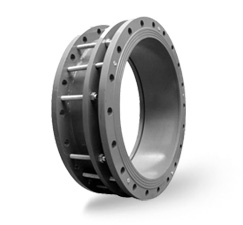
- Fiabilidad de la conexión: Ya sea que se utilice Brida, soldadura a tope o cara de junta anular (RJF) Gracias a las conexiones, la integridad de la interfaz entre la válvula y la tubería evita que las tensiones externas deformen el cuerpo de la válvula, una causa común de fugas internas en los sistemas criogénicos.
5. Factores ambientales y protocolos de mantenimiento
El factor final es el propio entorno. Las válvulas marinas de ultrabaja temperatura están expuestas a dos extremos: el fluido interno a -196 °C y la atmósfera externa salina y húmeda.
Corrosión y aislamiento
Incluso con cuerpos de acero inoxidable, pueden producirse picaduras en zonas de agua salada estancada. Un aislamiento adecuado (con revestimientos criogénicos) no solo mejora la eficiencia térmica, sino que también protege el cuerpo de la válvula de la condensación atmosférica, que puede provocar la formación de hielo. La acumulación de hielo en la bisagra externa puede impedir que la válvula se cierre, lo que conlleva un reflujo catastrófico.
Consejo proactivo para la adquisición de bienes y servicios
Al participar en Adquisición de válvulas de retención oscilantes marinas, Siempre solicite un "Informe de prueba criogénica". Los fabricantes de alta calidad como Tsunny realizan pruebas funcionales a temperaturas de trabajo reales para garantizar que la "Extensión de la vida útil de la válvula de retención oscilante" no sea solo una afirmación de marketing, sino una realidad metalúrgica.
¿Por qué elegir las válvulas de retención criogénicas de oscilación Tsunny Marine?
Tsunny se ha consolidado como un proveedor líder de soluciones de control de fluidos diseñadas específicamente para los entornos marinos más exigentes. Al centrarse en la intersección de Calidad de la válvula de retención de oscilación criogénica Gracias a su ingeniería innovadora, los productos Tsunny ofrecen un menor coste total de propiedad (TCO).
Resumen de especificaciones:
- Rango de temperatura: Hasta -196 °C.
- Rango de tamaños: DN de 2″ a 26″ (compatible con aplicaciones tanto para recipientes pequeños como para recipientes grandes).
- Clase de sello: Optimizado según la norma ASME B16.34.
- Versatilidad: Múltiples tipos de conexión (brida, BW, RJ) para adaptarse a cualquier arquitectura de tuberías.
Para aquellos que buscan proteger su infraestructura, visitar el Página oficial de la válvula de retención oscilante criogénica Tsunny Marine Proporciona las fichas técnicas necesarias para la toma de decisiones informadas.
Preguntas más frecuentes
P1: ¿Cuál es la causa más común de fallo en las válvulas de retención criogénicas en entornos marinos?
La causa más común es fugas en el asiento causado por deformación térmica o residuos. Debido a que los fluidos criogénicos (como el GNL) tienen una viscosidad extremadamente baja, incluso un rasguño microscópico en el asiento puede provocar fugas significativas. Por eso es importante elegir una válvula con alta calidad. Juntas de PCTFE o Asientos de metal de superficie dura de un fabricante de renombre es esencial para Extensión de la vida útil de la válvula de retención oscilante.
P2: ¿Cómo mejora la norma ASTM A351-CF3M la durabilidad de una válvula en comparación con el acero inoxidable 316 estándar?
ASTM A351-CF3M es la versión fundida de 316L. La “L” significa bajo contenido de carbono. En la industria naval, las válvulas a menudo se sueldan a las tuberías. El 316 regular puede sufrir “sensibilización” durante la soldadura, lo que provoca corrosión intergranular en presencia de aire marino. CF3M elimina este riesgo, asegurando que el cuerpo de la válvula permanezca estructuralmente sólido durante décadas, lo cual es un sello distintivo de Calidad de la válvula de retención de oscilación criogénica.
P3: ¿Qué se debe priorizar durante la adquisición de válvulas de retención oscilantes marinas para buques metaneros?
Se debe dar prioridad a Proceso de dar un título y Validación de temperatura. Asegúrese de que las válvulas cumplan ASME B16.34 y han sido probados para -196 °C. Además, tenga en cuenta el tipo de conexión; Soldadura a tope (BW) Las conexiones suelen preferirse en el servicio criogénico para eliminar posibles vías de fuga asociadas con las bridas, aunque Cara de la junta anular (RJF) Las bridas ofrecen un rendimiento excelente para aplicaciones marinas de alta presión.
Para obtener más información sobre soluciones criogénicas de alto rendimiento, visite Válvula Tsunny Oficial.