






In the modern industrial landscape, where “efficiency” is the gold standard, the cost of a single hour of unplanned downtime can reach staggering figures. Recently, global supply chain pressures and the push for sustainable, lean manufacturing have forced plant managers to rethink traditional maintenance. The old method of shutting down an entire municipal water line or a chemical processing loop just to add a new branch connection is no longer viable. This shift in industry priority has put the Flanged Saddle Control Valve in the spotlight as a game-changing solution for live-line modifications.
The Hidden Cost of Traditional Pipe Branching
When we talk about adding a branch to an existing pipeline, most engineers immediately think of cutting the pipe and installing a T-junction. This conventional approach requires a total system drain, leading to massive fluid loss and extensive labor costs for re-priming. In a world focused on minimizing environmental impact and maximizing uptime, this “stop-and-start” methodology is becoming obsolete. The industry is moving toward “hot tapping” and specialized fittings that allow for expansion while the media continues to flow at full pressure.
What Makes the Flanged Saddle Control Valve Different?
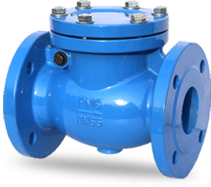
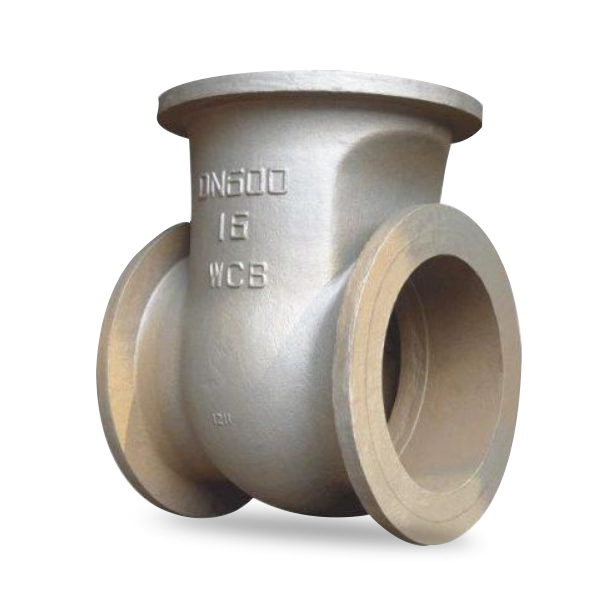
At its core, the Flanged Saddle Control Valve is a masterpiece of mechanical convenience. Unlike standard valves that require a gap in the pipeline, the saddle design wraps around the exterior of the existing pipe. It provides a secure, leak-proof flanged outlet that serves as the foundation for a new control point. By integrating the control mechanism directly onto the saddle structure, you eliminate the need for multiple heavy fittings, reducing the overall footprint and the potential leak paths within your piping network.
 |
 |
 |
Streamlining Installation Without the Shutdown
The most significant “revolution” offered by this hardware is the ability to maintain system continuity. By using a Flanged Saddle Control Valve in conjunction with professional hot-tapping tools, a technician can drill into the main header through the open valve. Once the hole is cut, the valve is closed, the drill is removed, and your new branch is ready to go—all while the main system remains pressurized. This process bypasses the nightmare of dewatering and the risk of introducing air pockets or contaminants into the main line.
Precision Flow Control at the Source
Beyond just making the connection, the “control” aspect of the Flanged Saddle Control Valve is what provides long-term value. These aren’t just simple on/off gates; they are engineered to regulate flow rates and pressures for the new branch line. Whether you are diverting a specific volume of cooling water or tapping into a chemical feed, having the control mechanism integrated into the saddle ensures that you have immediate, precise authority over the new flow path without adding unnecessary bulk to the system.
Durability and Material Compatibility
One common concern in forum discussions is whether a saddle connection can match the longevity of a welded T-piece. Modern manufacturing has silenced these doubts. High-quality Flanged Saddle Control Valve units are now cast from premium stainless steel or ductile iron, featuring advanced EPDM or NBR gaskets that handle thermal expansion beautifully. As long as the material of the saddle matches the thermal profile of the main pipe, the connection remains robust for decades, resisting the vibration and hydraulic shock common in high-pressure environments.
Why Global Operators are Making the Switch
We are seeing a massive uptick in the adoption of the Flanged Saddle Control Valve across desalination plants, oil refineries, and large-scale HVAC systems. The logic is simple: the ROI is realized the moment you avoid your first shutdown. When you factor in the saved labor hours, the lack of wasted media, and the sheer speed of expansion, the specialized saddle valve pays for itself. It is no longer just a “niche” repair part; it has become a strategic component for scalable infrastructure design.
Final Thoughts on Future-Proofing Your Grid
As you look to optimize your facility’s piping layout this year, consider how much flexibility you really have. Using a Flanged Saddle Control Valve isn’t just a technical choice; it’s a business decision to prioritize resilience. It allows your infrastructure to grow organically alongside your production needs. In an era where “agility” is the buzzword of the day, having the ability to tap, control, and expand your lines on the fly is exactly what sets a world-class operation apart from the rest.