


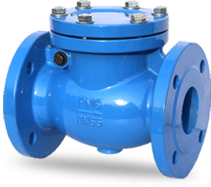
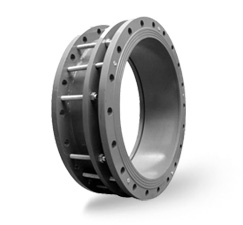
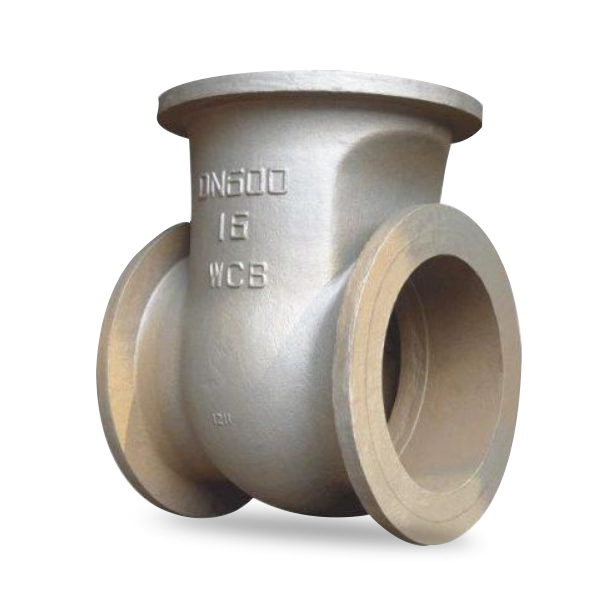



In the complex ecosystem of naval architecture, the efficiency and safety of a vessel depend heavily on the precision of its internal components. Among these, ship fluid control stands as a critical pillar. For engineers and procurement managers operating within the maritime industry, selecting the appropriate marine high-pressure valves is not merely a logistical task—it is a vital safety requirement. Specifically, the Globe Marine Valve remains the gold standard for applications requiring precise throttling and frequent operation under extreme pressure.
This comprehensive guide explores the technical nuances, material considerations, and regulatory standards necessary to choose the right globe marine valve for high-pressure ship systems.
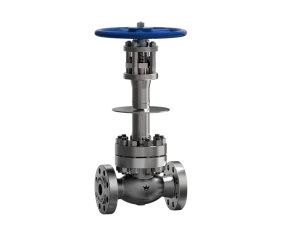
1. Understanding the Role of the Globe Marine Valve in Modern Vessels
ก Globe Marine Valve is a linear motion valve used to start, stop, and regulate fluid flow. Unlike gate valves, which are designed for fully open or fully closed positions, the globe valve excels at modulating flow—a process known as throttling.
Why Globe Valves for High-Pressure Systems?
In high-pressure maritime environments—such as boiler feed lines, fuel oil systems, and cooling water circuits—the fluid dynamics involve significant kinetic energy. The unique internal geometry of a globe valve, featuring a movable disk and a stationary ring seat in a generally spherical body, allows it to withstand high differential pressures without compromising seal integrity.
Key advantages include:
- Precision Throttling: The shorter stroke of the plug compared to other valves allows for finer control.
- Superior Sealing: The perpendicular contact between the disk and the seat ensures a tighter seal under high pressure.
- Ease of Maintenance: Most globe valves can be serviced without being fully removed from the piping system.
2. Technical Specifications: Navigating Pressure and Temperature
When dealing with marine high-pressure valves, the first step in selection is identifying the pressure rating and temperature limits. High-pressure ship systems typically operate in ranges exceeding 10 bar, often reaching much higher in steam or hydraulic applications.
Pressure Ratings (PN and ANSI)
Marine valves are categorized by their Pressure-Nominal (PN) rating or American National Standards Institute (ANSI) classes.
- PN16, PN25, PN40: Common in standard marine engine rooms.
- Class 150, 300, 600: Frequently used in high-pressure fuel and steam lines.
Choosing a valve with a rating lower than the system’s peak pressure can lead to catastrophic failure, including “water hammer” effects or explosive decompression.
Flow Coefficient () and Pressure Drop
In ship fluid control, understanding the pressure drop is essential. Because the fluid must change direction inside a globe valve, it creates a higher resistance compared to a ball valve. Engineers must calculate the (flow coefficient) to ensure the valve provides the necessary flow rate while maintaining system pressure.
3. Material Selection for Corrosive Marine Environments
The “Marine” in Globe Marine Valve implies a constant battle against salt-water corrosion. The materials chosen for the body, stem, and seat must resist both chemical oxidation and mechanical erosion.
Common Body Materials:
- Cast Steel (ASTM A216 WCB): Ideal for high-pressure and high-temperature steam lines.
- Stainless Steel (316L): Superior corrosion resistance, often used in chemical tankers or specialized cooling systems.
- Bronze (RG5/RG10): The traditional choice for seawater systems due to its natural resistance to biofouling and salt corrosion, though its pressure limits are lower than steel.
- Ductile Iron: A cost-effective alternative for moderate pressure systems where shock resistance is required.
Trim Materials (The Internal Components):
The “trim” consists of the stem, seat, and disk. For high-pressure applications, hardened materials like Stellite are often applied to the seat surfaces to prevent “wiredrawing”—the erosion caused by high-velocity fluid leaking through a partially open valve.
4. Design Variations: SDNR vs. Stop Valves
In the context of ship fluid control, you will often encounter two primary types of globe valves:
- Screw-Down Stop Valve (SDV): A standard globe valve where the disk is attached to the stem. It allows flow in both directions (though typically installed in one).
- Screw-Down Non-Return Valve (SDNR): A critical component in marine safety. The disk is not attached to the stem, allowing it to act as a check valve (non-return) when the stem is raised. This prevents backflow into sensitive equipment like pumps or boilers.
5. Compliance and Certification: Meeting Global Standards
In the maritime world, quality is verified through “Class.” When purchasing globe marine valves, ensure it is certified by a member of the International Association of Classification Societies (IACS).
- DNV (Det Norske Veritas)
- ABS (American Bureau of Shipping)
- LR (Lloyd’s Register)
- CCS (China Classification Society)
These certifications guarantee that the valve has undergone rigorous pressure testing, fire-safety analysis, and material verification. For high-pressure systems, a “3.1 Material Certificate” is often mandatory to trace the metallurgy of the valve body.
6. Installation and Maintenance Best Practices
Even the highest quality marine high-pressure valves will fail if improperly installed or neglected.
Proper Orientation
Globe valves are unidirectional. An arrow on the valve body indicates the flow direction (usually flow-under-the-seat). Installing it backwards in a high-pressure system can make the valve impossible to close or cause the stem to vibrate excessively.
Periodic Inspection
- Gland Packing: Tighten or replace packing to prevent stem leaks.
- Lapping the Seat: For metal-to-metal seats, periodic lapping ensures the sealing surfaces remain perfectly flat.
- Actuation Check: Ensure that manual handwheels or pneumatic actuators move smoothly without binding.
7. The Future of Ship Fluid Control: Digitalization and Automation
Modern ship fluid control is moving toward “smart” systems. High-pressure globe valves are now being equipped with sensors to monitor:
- Internal pressure and temperature.
- Leakage detection (acoustic monitoring).
- Remote position feedback.
Integrating these smart globe valves into a ship’s Integrated Automation System (IAS) allows for predictive maintenance, reducing the risk of unplanned downtime in the middle of the ocean.
บทสรุป
Choosing the right Globe Marine Valve for high-pressure systems is a balance of metallurgy, mechanical engineering, and regulatory compliance. By prioritizing high-grade materials like cast steel or stainless steel, ensuring correct pressure ratings, and insisting on IACS certification, ship operators can ensure long-term reliability and safety.
Whether you are managing a tanker’s fuel system or a naval vessel’s steam circuit, the integrity of your marine high-pressure valves is the heartbeat of your ship’s operational success.
คำถามที่พบบ่อย
What is the main difference between a Globe Marine Valve and a Gate Valve in high-pressure systems?
The primary difference lies in their function: a Globe Marine Valve is designed for throttling and regulating flow, offering a better seal at the cost of higher pressure drop. A เกทวาล์ว is designed only for fully open or fully closed service, offering minimal resistance to flow but poor regulation capabilities. In high-pressure maritime systems, globe valves are preferred for control, while gate valves are used for isolation.
How do I determine if I need an SDNR (Screw-Down Non-Return) valve?
You should choose an SDNR Globe Marine Valve if your system requires both flow regulation and backflow prevention. These are commonly used in ship bilge systems, boiler feed lines, and pump discharge lines where preventing fluid from flowing back into the source is critical for safety and equipment protection.
Why is material certification (like DNV or ABS) so important for marine high-pressure valves?
Marine environments subject valves to extreme mechanical stress and corrosive elements. IACS certifications (DNV, ABS, etc.) ensure that the marine high-pressure valves have been tested for structural integrity, fire resistance, and material purity. Without these certificates, a valve may fail prematurely under pressure, posing a significant risk to the crew and the vessel’s environment.