







Im komplexen und kritischen Betrieb von Schiffen sind wenige Komponenten so wichtig wie die Kraftstoffventile. Die Wahl des richtigen Ventils ist nicht nur eine Frage der Betriebseffizienz, sondern eine grundlegende Voraussetzung für die Sicherheit, Zuverlässigkeit und Langlebigkeit eines Schiffes. Unter den verschiedenen Ventiltypen, die in diesen anspruchsvollen Umgebungen eingesetzt werden, zeichnen sich Kugelventile durch ihre Präzision und robuste Leistung, insbesondere bei Hochdruckanwendungen, aus. Dieser umfassende Leitfaden erläutert die wichtigsten Kriterien für die Ventilauswahl. Hochdruck-Schiffsventile, mit besonderem Fokus auf Kugelventile für Schiffstreibstoffsysteme, um Ihnen fundierte Entscheidungen zu ermöglichen, die den höchsten Industriestandards entsprechen.
Die Rolle von Kugelventilen in Schiffstreibstoffsystemen verstehen
Schiffstreibstoffsysteme sind komplexe Netzwerke, die für die Speicherung, Aufbereitung und Zufuhr von Treibstoff zu den Schiffsmotoren verantwortlich sind. Diese Systeme arbeiten unter hohem Druck und müssen verschiedene Treibstoffarten verarbeiten können, von Schweröl (HFO) über Marinediesel (MDO) bis hin zu Marinegasöl (MGO). Die Ventile in diesen Systemen müssen diesen extremen Bedingungen standhalten und gleichzeitig eine präzise Steuerung des Treibstoffflusses gewährleisten.
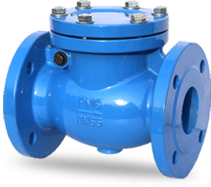
Kugelventile verdanken ihren Namen ihrer kugelförmigen Bauform, obwohl moderne Ausführungen nicht immer perfekt kugelförmig sind. Sie bestehen aus einem beweglichen, scheibenförmigen Ventilelement und einem feststehenden Ringsitz in einem im Allgemeinen kugelförmigen Gehäuse. Die Hauptfunktion eines Kugelventils ist das Öffnen, Schließen und Regulieren des Durchflusses. Im Gegensatz zu Schieberventilen, die primär für Ein/Aus-Anwendungen ausgelegt sind, eignen sich Kugelventile hervorragend zum Drosseln – zur präzisen Einstellung des Durchflusses.
In Schiffskraftstoffsystemen werden Kugelventile typischerweise dort eingesetzt, wo häufige Betätigung oder Drosselung erforderlich ist. Ihre Konstruktion ermöglicht ein dichtes Absperren und verhindert so Leckagen, die zu Kraftstoffverlusten, Umweltverschmutzung oder sogar Brandgefahren führen könnten. Die präzise Durchflussregelung ist entscheidend für die Regulierung der Kraftstoffzufuhr zum Motor und gewährleistet somit eine optimale Verbrennung und Leistung.
Hauptkomponenten eines Kugelventils
Um zu verstehen, wie man das Richtige auswählt Kugelventil im Schiffskraftstoffsystem, Es ist hilfreich, mit den Hauptkomponenten vertraut zu sein:
- Körper: Der Hauptdruckbehälter, der die internen Komponenten beherbergt.
- Motorhaube: Der Deckel für das Ventilgehäuse, der oft die Stopfbuchse enthält und als Halterung für den Stellantrieb oder das Handrad dient.
- Stängel: Verbindet den Stellantrieb bzw. das Handrad mit der Scheibe und überträgt die zum Öffnen oder Schließen des Ventils notwendige Kraft.
- Disk (oder Stecker): Das bewegliche Element, das den Durchfluss durch Anliegen an den feststehenden Sitz einschränkt oder ermöglicht.
- Sitz: Der feststehende Ring, an dem die Scheibe anliegt und der eine Abdichtung bildet.
Wichtige Überlegungen für Hochdruckanwendungen
Auswahl eines Hochdruck-Schiffsventil Dies erfordert die sorgfältige Beachtung verschiedener technischer Spezifikationen und Umweltfaktoren. Marine Umgebungen stellen aufgrund des korrosiven Salzwassers, der ständigen Vibrationen und der schwankenden Temperaturen besondere Herausforderungen dar.
1. Druck- und Temperaturkennwerte
Die grundlegendste Anforderung an jedes Hochdruckventil ist seine Fähigkeit, den maximalen Betriebsdruck und die maximale Betriebstemperatur des Systems sicher zu bewältigen. In Schiffskraftstoffsystemen können die Drücke erheblich sein, insbesondere in neueren Schiffen mit modernen Common-Rail-Einspritzsystemen.
- Druckklasse: Ventile werden nach standardisierten Druckklassen (z. B. ANSI Klasse 150, 300, 600, 900, 1500, 2500) klassifiziert. Die geeignete Klasse muss anhand des maximalen Auslegungsdrucks des jeweiligen Kraftstoffsystems zuzüglich einer ausreichenden Sicherheitsmarge ausgewählt werden.
- Temperaturbereich: Die Ventilmaterialien müssen ihre Integrität über den gesamten Betriebstemperaturbereich beibehalten. Schweröl muss häufig vor der Einspritzung erwärmt werden, um seine Viskosität zu reduzieren. Daher muss das Ventil erhöhten Temperaturen standhalten, ohne dass es zu Verformungen oder einem Versagen der Dichtflächen kommt.
2. Materialauswahl
Die Materialwahl ist im Schiffbau aufgrund der aggressiven Umgebungsbedingungen und der verwendeten Flüssigkeiten von entscheidender Bedeutung. Die Werkstoffe müssen sowohl der Korrosion durch die äußere Meeresatmosphäre als auch durch den internen Kraftstoff, der Schwefel und andere korrosive Verbindungen enthalten kann, widerstehen.
- Karosserie und Motorhaube: Gängige Werkstoffe für Hochdruck-Schiffsventile sind Kohlenstoffstahl, legierter Stahl und Edelstahl. Edelstahl (z. B. 316 oder 316L) wird aufgrund seiner hervorragenden Korrosionsbeständigkeit häufig bevorzugt. Für Anwendungen mit stark korrosiven Bedingungen können spezielle Legierungen wie Duplex-Edelstahl oder Bronze zum Einsatz kommen.
- Verkleidung (Bremsscheibe, Sitz und Gabelschaft): Die dem strömenden Fluid ausgesetzten internen Bauteile werden zusammenfassend als Ventilsitz bezeichnet. Die Werkstoffe des Ventilsitzes müssen äußerst verschleiß-, erosions- und korrosionsbeständig sein. Stellite (eine Kobalt-Chrom-Legierung) wird häufig als Hartbeschichtung auf die Scheiben- und Sitzflächen aufgebracht, um die Haltbarkeit zu verbessern, insbesondere bei der Förderung von Kraftstoffen mit Partikelanteil oder unter Bedingungen mit hoher Drosselklappengeschwindigkeit.
- Packungen und Dichtungen: Die zur Abdichtung des Ventilschafts (Packung) und der Verbindung zwischen Gehäuse und Deckel (Dichtungen) verwendeten Materialien müssen mit dem Kraftstoff kompatibel und den Betriebstemperaturen und -drücken standhalten. Graphit ist aufgrund seiner Elastizität und chemischen Beständigkeit eine gängige Wahl für Hochtemperaturanwendungen.
3. Strömungseigenschaften und Dimensionierung
A Kugelventil im Schiffskraftstoffsystem muss korrekt dimensioniert sein, um die gewünschte Durchflussrate zu gewährleisten, ohne übermäßigen Druckabfall oder Turbulenzen zu verursachen.
- Cv-Wert (Durchflusskoeffizient): Dieser Wert gibt das Wasservolumen (in US-Gallonen pro Minute) an, das bei einem Druckabfall von 1 psi durch das Ventil fließt. Der erforderliche Cv-Wert muss anhand des maximal zu erwartenden Kraftstoffdurchflusses berechnet werden. Ein zu kleines Ventil behindert den Durchfluss, während ein zu großes Ventil die präzise Drosselung beeinträchtigen kann.
- Strömungseigenschaften: Kugelventile können mit unterschiedlichen Ventilscheibenformen (z. B. schnell öffnend, linear oder gleichprozentig) ausgeführt werden, um spezifische Durchflusseigenschaften zu erzielen. Für Kraftstoffsysteme, die eine präzise Regelung erfordern, wird üblicherweise eine lineare oder gleichprozentige Kennlinie bevorzugt.
4. Ventilkonstruktion und Endanschlüsse
Die physische Konstruktion des Ventils und die Art und Weise, wie es mit dem Rohrleitungssystem verbunden wird, sind ebenfalls wichtige Aspekte.
- Körperbau: Kugelventile sind in drei Hauptgehäuseformen erhältlich:
- Standard (T-Form oder Z-Körper): Die gängigste Bauart zeichnet sich durch einen Z-förmigen Strömungsweg aus. Sie bietet zwar eine ausgezeichnete Absperrung, erzeugt aber auch den höchsten Druckverlust.
- Winkelmuster: Die Enden stehen in einem 90-Grad-Winkel, wodurch sich die Anzahl der Verbindungsstellen im Rohrleitungssystem verringert und ein geringerer Druckverlust als bei der T-Form erzielt wird.
- Y-Muster (schräg): Spindel und Sitz sind (typischerweise um 45 Grad) zum Strömungsweg abgewinkelt, wodurch der Druckverlust bei Kugelventilen am geringsten ist und Turbulenzen minimiert werden. Dies ist oft die bevorzugte Wahl für Hochdruckanwendungen, bei denen ein minimaler Strömungswiderstand entscheidend ist.
- Endverbindungen: Das Ventil muss mit dem Rohrleitungssystem des Schiffes kompatibel sein. Gängige Anschlussarten sind:
- Flansch: Einfach zu montieren und zu demontieren, geeignet für einen breiten Druckbereich.
- Muffenschweißung: Wird für Rohre mit kleinerem Durchmesser verwendet und sorgt für eine starke, leckagefreie Verbindung.
- Stumpfschweißung: Aufgrund der Festigkeit und Integrität der Schweißverbindung wird es bevorzugt für Hochdruck- und Hochtemperaturanwendungen eingesetzt.
Einhaltung der Spezifikationen und Normen für Schiffsventile
Die Schifffahrtsindustrie ist streng reguliert, um Sicherheit und Umweltschutz zu gewährleisten. Bei der Auswahl eines Ventils ist es daher unerlässlich, die Einhaltung aller relevanten Vorschriften zu überprüfen. Spezifikationen für Schiffsventile und Standards, die von internationalen Organisationen und Klassifikationsgesellschaften festgelegt wurden.
Schlüsselklassifikationsgesellschaften
Klassifikationsgesellschaften legen technische Standards für den Bau und Betrieb von Schiffen und Offshore-Anlagen fest und pflegen diese. Ventile, die in kritischen Systemen eingesetzt werden, müssen in der Regel von diesen Gesellschaften typgenehmigt werden. Zu den wichtigsten Klassifikationsgesellschaften gehören:
- Amerikanisches Schifffahrtsbüro (ABS)
- Lloyd's Register (LR)
- Det Norske Veritas (DNV)
- Bureau Veritas (BV)
- Nippon Kaiji Kyokai (KlasseNK)
Die Zulassung durch eine oder mehrere dieser Gesellschaften zeigt an, dass die Konstruktion, die Materialien und die Herstellungsverfahren des Ventils strenge Sicherheits- und Leistungskriterien erfüllen.
Internationale Standards
Zusätzlich zu den Regeln der Klassifikationsgesellschaften müssen Ventile häufig auch internationalen Normen entsprechen, wie beispielsweise denen von:
- API (American Petroleum Institute): Beispielsweise spezifiziert API 602 kompakte Stahl-Absperr-, Kugel- und Rückschlagventile.
- ASME/ANSI (American Society of Mechanical Engineers/American National Standards Institute): Für Druck-Temperatur-Kennwerte und Abmessungen (z. B. ASME B16.34).
- ISO (Internationale Organisation für Normung): Verschiedene Normen in Bezug auf Ventilkonstruktion und -prüfung.
Sicherstellung der Einhaltung dieser Spezifikationen für Schiffsventile ist nicht nur eine gesetzliche Vorgabe, sondern auch eine Garantie für Qualität und Zuverlässigkeit.
Vergleich Tisch
Um die Auswahl der geeigneten Ventilkonstruktion zu erleichtern, vergleicht die folgende Tabelle die drei gängigen Gehäuseformen:
|
Körpermuster |
Eigenschaften |
Vorteile |
Nachteile |
Gängige Anwendungen |
|
Standard (T-Muster) |
Z-förmiger Strömungsweg. |
Hervorragende Abschalt- und Drosselungseigenschaften. |
Höchster Druckabfall und stärkste Turbulenzen. |
Universelle Drosselung, Bypassleitungen. |
|
Winkelmuster |
90-Grad-Strömungsweg. |
Fungiert sowohl als Ventil als auch als Rohrbogen, geringerer Druckverlust als bei T-Stücken. |
Höhere Belastung an der Biegung. |
Anwendungen, die eine Änderung der Strömungsrichtung erfordern. |
|
Y-Muster (schräg) |
Abgewinkelter Vorbau/Sattel (üblicherweise 45 Grad). |
Geringster Druckverlust, minimiert Turbulenzen, gut geeignet für anspruchsvolle Einsatzbedingungen. |
Komplexerer Herstellungsprozess. |
Hochdrucksysteme, Absperrventile, Anwendungen, bei denen der Strömungswiderstand minimiert werden muss. |
Betriebs- und Wartungsüberlegungen
Die Wahl des richtigen Ventils ist nur der erste Schritt; für seine langfristige Zuverlässigkeit sind eine ordnungsgemäße Bedienung und Wartung erforderlich.
Betätigungsoptionen
Je nach Ventilgröße und den spezifischen Anforderungen des Schiffskraftstoffsystems ist eine manuelle Betätigung (über ein Handrad) unter Umständen nicht ausreichend oder praktikabel. In diesen Fällen ist eine Betätigung erforderlich.
- Manuell (Handrad- oder Zahnradbetätigung): Geeignet für kleinere oder selten betätigte Ventile. Getriebeantriebe werden bei größeren Ventilen eingesetzt, um den Kraftaufwand beim Drehen der Spindel zu reduzieren.
- Pneumatische Aktuatoren: Zum Öffnen oder Schließen des Ventils wird Druckluft verwendet. Diese Ventile sind zuverlässig, relativ einfach und in Umgebungen, in denen explosive Gase auftreten können, von Natur aus sicher.
- Elektrische Aktuatoren: Elektromotoren werden zur präzisen Steuerung eingesetzt. Sie werden häufig in automatisierte Schiffssteuerungssysteme zur Fernsteuerung integriert.
- Hydraulische Aktuatoren: Sie bieten die höchste Kraft und eignen sich daher für sehr große Hochdruckventile.
Wartung und Reparatur
Die Bedingungen in der Schifffahrt sind rau, und selbst die robustesten Ventile benötigen mit der Zeit Wartung. Achten Sie bei der Auswahl eines Ventils auf die Wartungsfreundlichkeit:
- Zugänglichkeit: Ist der Zugang zu den inneren Bauteilen (Scheibe und Sitz) einfach, ohne den gesamten Ventilkörper aus dem Rohrleitungssystem auszubauen? Top-Entry-Konstruktionen erleichtern die Wartung im eingebauten Zustand.
- Verfügbarkeit von Ersatzteilen: Stellen Sie sicher, dass Ersatzteile (wie Dichtungen, Dichtungsringe und Ersatzteile) weltweit problemlos verfügbar sind, um Ausfallzeiten während der Seereisen zu minimieren.
- Haltbarkeit der Verschleißteile: Die Wahl von Ventilen mit gehärteten Dichtflächen (wie Stellite) verlängert die Zeit zwischen den erforderlichen Wartungsintervallen.
Die Bedeutung der Zusammenarbeit mit renommierten Herstellern
Bei der Ausstattung eines Schiffstreibstoffsystems steht viel auf dem Spiel. Der Ausfall eines einzigen Ventils kann weitreichende Folgen haben, von Betriebsverzögerungen bis hin zu katastrophalen Sicherheitsvorfällen. Daher wird dringend empfohlen, Ventile von renommierten Herstellern mit nachweislicher Erfahrung in der Schifffahrtsindustrie zu beziehen.
Ein seriöser Hersteller liefert nicht nur qualitativ hochwertige Produkte, sondern bietet auch umfassenden technischen Support. Er unterstützt Sie bei der Dimensionierung, der Materialauswahl und der Einhaltung der komplexen Schifffahrtsvorschriften. Darüber hinaus stellt er detaillierte Dokumentationen bereit, darunter Materialprüfberichte (MTRs) und Klassifikationsgesellschaftszertifikate, die für den Nachweis der Konformität bei Schiffsinspektionen unerlässlich sind.
Abschluss
Auswahl des geeigneten Hochdruck-Kugelventile für Schiffstreibstoffsysteme Es handelt sich um einen vielschichtigen Prozess, der ein umfassendes Verständnis der Betriebsparameter des Systems, der Umwelteinflüsse und der regulatorischen Anforderungen erfordert. Durch die sorgfältige Berücksichtigung von Druck- und Temperaturkennwerten, Materialverträglichkeit, Strömungseigenschaften und Konstruktionsspezifikationen können Schiffsingenieure und Schiffsbetreiber eine sichere, effiziente und zuverlässige Treibstoffversorgung gewährleisten.
Die Investition in hochwertige Ventile aus robusten Materialien, die strengen Schiffsnormen entsprechen, zahlt sich durch geringere Wartungskosten, minimierte Ausfallzeiten und erhöhte Sicherheit an Bord aus. Letztendlich ist das richtige Ventil nicht nur ein Bauteil, sondern ein entscheidender Schutz für das Schiff, seine Besatzung und die Meeresumwelt.
Häufig gestellte Fragen
- Warum werden in Schiffstreibstoffsystemen Kugelventile gegenüber Schieberventilen bevorzugt? Kugelventile werden in Kraftstoffsystemen gegenüber Schieberventilen bevorzugt, vor allem aufgrund ihrer besseren Drosselungseigenschaften. Während Schieberventile fast ausschließlich für vollständig geöffnete oder vollständig geschlossene Betriebszustände ausgelegt sind, ermöglichen Kugelventile eine präzise Regelung des Kraftstoffdurchflusses. Diese Feinsteuerung ist oft unerlässlich, um die Kraftstoffversorgung von Motoren unter verschiedenen Lastbedingungen zu gewährleisten. Darüber hinaus bieten Kugelventile im Allgemeinen einen dichteren Verschluss, wodurch das Risiko von Kraftstoffleckagen verringert wird.
- Was bedeutet es, wenn ein Ventil von einer Klassifikationsgesellschaft eine “Typgenehmigung” erhalten hat? “Typgenehmigung” bedeutet, dass eine Klassifikationsgesellschaft (wie z. B. ABS, DNV oder Lloyd’s Register) die Konstruktion, die Materialien und den Herstellungsprozess des Ventils geprüft und bestätigt hat, dass es ihren spezifischen Sicherheits- und Qualitätsstandards für den Einsatz in der Schifffahrt entspricht. Bei kritischen Systemen wie der Treibstoffversorgung ist die Verwendung typgenehmigter Komponenten in der Regel zwingend erforderlich, um den Klassifizierungsstatus des Schiffes aufrechtzuerhalten und die Einhaltung internationaler Seeschifffahrtsvorschriften zu gewährleisten.
- Wie oft sollten Hochdruck-Kugelventile in Schiffstreibstoffsystemen überprüft oder gewartet werden? Die Wartungshäufigkeit hängt von verschiedenen Faktoren ab, darunter die Art des verwendeten Kraftstoffs, der Betriebsdruck, die Betriebshäufigkeit und die Empfehlungen des Herstellers. Im Allgemeinen sollte bei den routinemäßigen Maschinenrauminspektionen regelmäßig eine Sichtprüfung auf Leckagen (insbesondere im Bereich der Bugdichtung) durchgeführt werden. Umfassendere Wartungsarbeiten, die den Austausch von Dichtungen oder die Überprüfung der Trimmung (Scheibe und Sitz) auf Verschleiß beinhalten können, werden typischerweise im Rahmen von Generalüberholungen oder Dockaufenthalten, oft alle 2,5 bis 5 Jahre, gemäß dem geplanten Wartungssystem (PMS) des Schiffes durchgeführt.