






In the contemporary maritime industry, the push toward sustainability, operational efficiency, and stringent safety standards is reshaping how shipowners manage their fleets. As the global fleet ages, the focus of technical superintendents and fleet managers has shifted significantly toward modernization. The process of retrofitting vessels is no longer just a luxury for new construction; it is a critical strategy for maintaining a competitive edge, ensuring compliance with international regulations, and extending the operational lifespan of existing assets.
At the heart of a ship’s piping and fluid management systems lies a component often overlooked until it fails: the valve. Specifically, the evolution of fluid control technology has made the replacement of legacy piping components a priority. This article explores why modernizing these systems is essential and how strategic hardware improvements can transform a vessel’s performance.
The Importance of Fluid Control Integrity
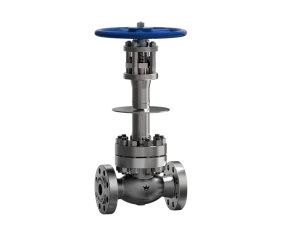
Fluid control systems—handling fuel oil, lubrication, cooling water, and steam—are the circulatory system of a ship. Any compromise in this system directly affects engine performance and vessel safety. A high-quality marine globe valve is designed to throttle, stop, and regulate flow with precision. However, on older vessels, original valves often suffer from seat erosion, stem fatigue, and seal degradation due to decades of service.
When these components begin to fail, they do not simply stop working; they compromise system integrity, leading to pressure drops, hazardous leaks, and energy inefficiencies. By addressing these foundational elements, operators can prevent catastrophic failures and optimize the energy profile of their ship.
The Value of Modernization
Modernizing a ship’s piping infrastructure is a significant investment. However, upgraded valves offer benefits that extend far beyond simple maintenance. New iterations are engineered with advanced materials such as duplex stainless steel or specialized bronze alloys, offering superior resistance to seawater corrosion and chemical degradation compared to the cast iron or standard brass components found in older builds.
Beyond material science, modern design incorporates improved internal flow paths. Legacy valves often created unnecessary turbulence, leading to higher pumping power requirements. Contemporary designs minimize pressure drop, which in turn reduces the load on auxiliary pumps, directly translating to lower fuel consumption—a key metric for modern fleet operators.
Comparative Analysis: Legacy vs. Modern Valve Technology
|
Feature |
Legacy Valve Systems |
Modernized Valve Solutions |
|---|---|---|
|
Material Durability |
Standard bronze/cast iron (prone to erosion) |
Stainless/Duplex alloys (high resistance) |
|
Flow Efficiency |
High pressure drop due to internal geometry |
Streamlined flow paths (lower pumping cost) |
|
Maintenance |
Frequent overhaul of seats and packing |
Extended MTBF (Mean Time Between Failures) |
|
Automation |
Typically manual operation |
High compatibility with smart actuators |
|
Seal Integrity |
Standard gasket failure |
Precision-engineered soft/metal-to-metal seals |
Strategic Planning for Retrofits
A successful technical upgrade requires a structured approach. Simply replacing a component with a generic equivalent is a missed opportunity. Instead, fleet managers should view the process of retrofitting vessels as an engineering project aimed at system optimization.
-
Diagnostic Survey: Before procurement, a thorough survey of the piping system is required. This involves identifying high-stress areas, common failure points, and sections prone to cavitation.
-
Engineering Specification: The new hardware must be matched to the specific application—whether that involves high-pressure steam, saline cooling water, or volatile fuel lines.
-
Automation Integration: One of the most significant advantages of modern upgrades is the ability to integrate remote monitoring and electric actuation. This allows for centralized control of fluid systems, reducing the man-hours required for manual valve adjustment and monitoring.
Operational Efficiency and Compliance
Compliance with the International Maritime Organization (IMO) regulations is a non-negotiable aspect of modern shipping. As regulations regarding environmental protection and energy efficiency (such as EEXI and CII) become more rigorous, the efficiency of onboard systems is scrutinized.
Installing a modern marine globe valve with precision throttling capabilities allows for a more granular control of auxiliary systems. This granular control means that engine cooling, fuel temperature regulation, and ballast systems operate precisely as needed, rather than running at full capacity continuously. This precision is essential for meeting the fuel-saving targets required by modern environmental protocols.
Economic Considerations and Long-Term ROI
The capital expenditure (CAPEX) associated with fleet renewal is often prohibitive. However, the operational expenditure (OPEX) savings gained from installing upgraded valves can provide a compelling return on investment.
Consider the “hidden” costs of legacy systems:
-
Leakage and Product Loss: Small, persistent leaks in fuel or lubrication lines result in significant wastage over a year of operation.
-
Maintenance Downtime: Emergency repairs are always more expensive than planned retrofits. A valve failure at sea can lead to off-hire time, which is perhaps the most expensive consequence for any vessel.
-
Energy Inefficiency: Increased resistance in piping systems forces pumps to work harder. In a fleet of dozens of vessels, the cumulative electricity consumption from inefficient fluid systems is substantial.
When these factors are quantified, the case for proactive replacement becomes clear. It is an insurance policy against downtime and a mechanism for immediate operational cost reduction.
Conclusion
Retrofitting is the bridge between the legacy fleet and the future of maritime technology. By focusing on critical components like fluid control mechanisms, shipowners can achieve a synergistic effect: improved safety, regulatory compliance, and a leaner, more profitable operation. As the industry moves toward digitalized, autonomous, and green shipping, the reliability of onboard infrastructure remains the bedrock of success.
FAQ
1. How often should we conduct a condition assessment of our existing valve systems?
It is recommended to integrate valve condition monitoring into your planned maintenance system (PMS). A comprehensive inspection of critical piping systems, including seat integrity and stem condition, should occur during every scheduled dry-docking, or at least every 2.5 to 5 years, depending on the severity of the service environment.
2. Can modern upgraded valves be installed in systems that rely on legacy manual actuators?
Yes, most modern valves are designed with modular tops. This allows you to install the high-performance valve body now while retaining manual operation, and later, if your budget allows, add electric or pneumatic actuators for remote control without replacing the entire unit.
3. What is the most common sign that a marine valve needs to be replaced rather than repaired?
The most common indicators are persistent leakage at the gland packing despite tightening, severe erosion or pitting on the seat surfaces that cannot be reclaimed by lapping, and cracks in the valve body or bonnet due to stress or metallurgical fatigue. If repairs are becoming a recurring monthly task, replacement is the more economical choice.