


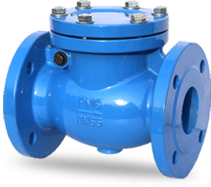





The maritime industry operates in one of the most demanding environments on Earth. From the corrosive sting of saltwater to the extreme pressures of deep-ocean transit, every component of a vessel must be engineered for unwavering reliability. This requirement becomes critically acute when dealing with specialized cargo handling systems. Whether transporting hazardous chemicals, liquefied natural gas (LNG), or delicate perishables, the integrity of the fluid control systems is paramount. At the heart of these systems, ensuring precise regulation and secure isolation, are 船用截止阀.
However, standard, off-the-shelf valves are frequently inadequate for the unique demands of modern specialized cargo operations. The complexities of different fluids, varying temperature extremes, and stringent international safety regulations necessitate a tailored approach. This article explores the critical importance of customizing these essential components, detailing the design considerations, material selections, and performance criteria necessary to ensure safety and efficiency in specialized maritime transport.
The Critical Role of Fluid Control in Specialized Cargo Transport
Before delving into customization, it is essential to understand why the humble globe valve is so vital in cargo operations. Unlike gate valves, which are primarily designed for simple on/off isolation, globe valves excel at throttling—regulating flow with precision. This characteristic is crucial in cargo handling systems where flow rates must be carefully controlled to prevent pressure surges, manage temperature variations, or ensure the safe transfer of volatile substances.
In a typical cargo handling system, these valves perform several key functions:
-
Flow Regulation: During loading and unloading, the rate of fluid transfer must be carefully managed. Sudden surges can damage pumps, pipes, and the receiving infrastructure. Globe valves allow operators to gradually increase or decrease flow, maintaining a safe and steady transfer rate.
-
System Isolation: When sections of the cargo system need maintenance or repair, specific segments must be securely isolated. The design of a globe valve, where the plug closes against the flow rather than across it, often provides a superior, tighter seal compared to other valve types, ensuring absolute shut-off.
-
Pressure Control: In systems handling volatile liquids or gases, maintaining the correct pressure is vital for safety and stability. These valves can be used in conjunction with automated systems to constantly monitor and adjust pressure levels, venting excess pressure safely if necessary.
When dealing with specialized cargo—such as corrosive acids, highly flammable petrochemicals, or cryogenic liquids like LNG—the failure of a single valve can lead to catastrophic consequences, including environmental disasters, loss of life, and massive financial liabilities. Therefore, the “standard” approach is often unacceptable.
Why Off-the-Shelf Solutions Fall Short
Standard valves are designed for general applications, typically handling water, steam, or common non-corrosive liquids at moderate temperatures and pressures. They are built to common industry specifications, aiming for broad applicability rather than specialized performance.
When applied to specialized cargo handling, several critical issues emerge with standard components:
-
Material Incompatibility: A valve designed for freshwater ballast systems will rapidly corrode if used to handle aggressive chemicals like sulfuric acid or caustic soda. Standard carbon steel or basic stainless steel bodies and trims will degrade, leading to leaks and potential failure.
-
Temperature Limitations: Standard seals and packing materials are often rated for temperatures between -20°C and 200°C. If used in a cryogenic LNG system operating at -162°C, these materials will become brittle, crack, and fail instantly. Conversely, handling high-temperature asphalt or molten sulfur requires materials that will not deform or melt under extreme heat.
-
Inadequate Flow Characteristics: Standard valves have generic flow profiles (often linear). Specialized cargo might require equal-percentage flow characteristics for precise control near the closed position, or specific anti-cavitation trims to handle high-pressure drops without damaging the valve internals.
-
Regulatory Non-Compliance: Specialized cargo transport is heavily regulated by international bodies such as the International Maritime Organization (IMO) and classification societies like DNV, ABS, or Lloyd’s Register. Standard valves rarely meet the specific, stringent testing and certification requirements for these applications.
This gap between standard capabilities and specialized requirements necessitates the engineering of custom valves.
Key Considerations in Customizing a Marine Globe Valve
Customizing a valve is a rigorous engineering process. It requires a deep understanding of the specific application, the properties of the fluid being handled, and the operational environment of the vessel. The process involves several key phases, starting from initial consultation to final testing and certification.
1. Understanding the Fluid Properties (The Medium)
The most critical factor in customization is a thorough analysis of the medium the valve will control. This dictates almost every subsequent design decision.
-
Chemical Composition and Corrosivity: Is the fluid acidic, alkaline, or neutral? Highly corrosive substances like concentrated acids require exotic materials.
-
State of Matter and Phase Changes: Is the medium a liquid, a gas, or a multi-phase mixture (e.g., liquid with entrained gases)? A valve handling flashing liquids (where liquid turns to vapor due to pressure drop) requires specially designed trims to prevent cavitation damage.
-
温度范围: As discussed, temperature extremes dictate the choice of body material, trim material, and, crucially, the packing and sealing materials.
-
Viscosity and Particulate Content: Highly viscous fluids like heavy fuel oil or asphalt require different internal geometries to minimize pressure drop and prevent clogging. If the fluid contains abrasive particulates (e.g., slurries), the valve trim must be hardened to resist erosion.
-
Flammability and Toxicity: Handling hazardous materials requires stringent fugitive emission controls. Custom designs often incorporate specialized packing sets, live-loaded packing glands, or even bellows seals to ensure zero leakage to the atmosphere.
2. Selecting the Right Materials
Material selection is perhaps the most significant aspect of customizing a 船用截止阀. The chosen materials must withstand the specific medium, the external marine environment, and the operational pressures and temperatures.
Table 1: Common Material Choices for Specialized Custom Valves
|
成分 |
Standard Material |
Specialized Alternatives for Custom Valves |
Key Application |
|---|---|---|---|
|
Body / Bonnet |
Cast Iron, Carbon Steel, Basic Stainless Steel (304/316) |
Duplex/Super Duplex Stainless Steel, Titanium, Hastelloy, Inconel, Monel, Bronze Alloys (Ni-Al Bronze) |
Highly Corrosive Chemicals, Seawater environments, High Temperatures. |
|
Trim (Plug/Seat) |
Stainless Steel (316, 410) |
Stellite Overlay (Hardfacing), Tungsten Carbide, Ceramic, Solid Hastelloy/Inconel |
Abrasive slurries, High-pressure drops (anti-cavitation), High-temperature operation. |
|
干 |
Stainless Steel (316, 410) |
Duplex Stainless Steel, Monel K500, Inconel 718 |
High strength requirements, severe corrosive environments. |
|
Packing / Seals |
PTFE, Graphite |
High-temperature Graphite, Specialized Elastomers (FFKM/Kalrez), Bellows Seals (Metal) |
Extreme temperatures, strict fugitive emission requirements (toxic/flammable gases). |
For instance, a valve intended for a chemical tanker handling concentrated sulfuric acid would likely be customized with an Alloy 20 or Hastelloy body and trim, as standard stainless steel would be rapidly consumed. Conversely, a valve for a cryogenic LNG system would require austenitic stainless steel (like 316L) to maintain toughness at ultra-low temperatures, paired with specialized cryogenic lip seals.
3. Modifying Internal Geometry and Trim Design
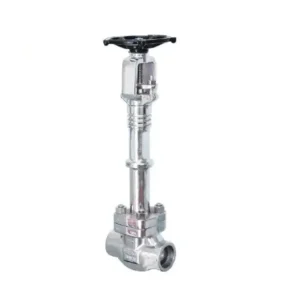
The “trim” of a valve refers to the internal components exposed to the flow (the plug, seat, and stem). In standard valves, the trim is simple. In specialized systems, it must be engineered for specific flow characteristics and to mitigate severe service conditions.
-
Anti-Cavitation and Anti-Noise Trims: In high-pressure drop applications (e.g., pressure letdown stations), the fluid velocity can increase drastically, causing the localized pressure to drop below the fluid’s vapor pressure. Vapor bubbles form and then rapidly collapse as pressure recovers, causing severe mechanical damage known as cavitation. Custom valves employ multi-stage trims (like labyrinth or stacked disc designs) that break the total pressure drop into smaller, manageable stages, preventing cavitation and reducing noise.
-
Flow Characterization: Depending on the control system requirements, the plug can be contoured to provide specific flow characteristics. “Linear” trims provide flow directly proportional to valve travel. “Equal Percentage” trims provide precise control at low flow rates, ideal for many complex cargo handling systems. “Quick Opening” trims are used when rapid flow establishment is needed.
-
Erosion Resistance: For fluids containing solid particles (slurries or dirty crude oil), the trim can be customized with hardened materials like Stellite overlays or solid Tungsten Carbide to resist the abrasive wear that would quickly destroy a standard valve seat.
4. Ensuring Leak-Tight Integrity: Seals and Packing
Preventing leaks is a primary concern, especially with hazardous cargo. Customization often involves upgrading the sealing mechanisms beyond standard industry practices.
-
Bellows Seal Valves: For highly toxic, lethal, or volatile fluids, even minute fugitive emissions through the stem packing are unacceptable. Customization often involves incorporating a metallic bellows seal. This is a flexible metal tube welded to the stem and the bonnet, providing an absolute, hermetic barrier between the fluid and the atmosphere, completely eliminating stem leaks.
-
Live-Loaded Packing: In systems with significant temperature fluctuations, standard packing can loosen over time. Custom designs frequently use live-loaded packing systems, where Belleville springs maintain constant pressure on the packing gland, ensuring a tight seal even as the valve expands and contracts thermally.
-
Specialized Elastomers: While standard PTFE is excellent for chemical resistance, it creeps under pressure and has temperature limits. Custom valves utilize advanced elastomers (like perfluoroelastomers – FFKM) for high-temperature and highly aggressive chemical applications where zero leakage is required.
5. Actuation and Automation Integration
Modern specialized cargo systems are highly automated. A custom valve is rarely operated manually; it must integrate seamlessly with the vessel’s central control system.
-
Actuator Selection: The choice of actuator (pneumatic, hydraulic, or electric) depends on the required thrust, speed of operation, and the available power sources on the vessel. Hydraulic actuators are common in marine environments due to their high power density and reliability.
-
Positioners and Feedback: For precise throttling, the valve requires a smart positioner that receives signals from the control room and accurately adjusts the valve position. Customization involves integrating positioners with specific communication protocols (like HART, Foundation Fieldbus, or Profibus) used by the vessel’s integrated automation system (IAS).
-
Fail-Safe Mechanisms: In the event of a power failure or system anomaly, the valve must default to a safe position. Custom engineering ensures the actuator incorporates robust fail-safe mechanisms—such as mechanical springs or dedicated hydraulic accumulators—to drive the valve open or closed, depending on the safety requirements of the specific cargo process.
The Customization Process: A Collaborative Engineering Effort
Creating a bespoke valve is not a simple transaction; it is a collaborative engineering project between the shipowner, the shipyard, the system integrator, and the valve manufacturer.
-
Front-End Engineering Design (FEED): The process begins early in the vessel’s design phase. Engineers analyze the Process and Instrumentation Diagrams (P&IDs) to identify valves requiring special attention based on operating parameters.
-
Specification Development: Detailed data sheets are created for each critical valve, outlining exact operating conditions (max/min pressures, temperatures, flow rates), fluid properties, required certifications, and dimensional constraints.
-
Vendor Selection and Collaboration: Selecting a manufacturer with a proven track record in specialized marine applications is crucial. The manufacturer’s engineers work closely with the project team, often performing Computational Fluid Dynamics (CFD) analysis to verify trim designs and Finite Element Analysis (FEA) to ensure structural integrity under pressure and extreme temperatures.
-
Manufacturing and Stringent Testing: The manufacturing of specialized valves involves rigorous quality control, often requiring full traceability of materials. Testing goes far beyond standard pressure tests. It may include cryogenic testing (submerging the valve in liquid nitrogen), high-temperature testing, fugitive emission testing (using helium mass spectrometry), and operational testing of the integrated actuator and positioner under simulated load conditions.
-
Certification and Documentation: Finally, the valve must be certified by the relevant classification society (e.g., DNV, ABS). Comprehensive documentation, including material test reports (MTRs), hydro-test certificates, and operation manuals, must be provided to ensure compliance and facilitate future maintenance.
结论
The safe and efficient transport of specialized cargo relies entirely on the integrity of the underlying fluid control systems. While standard components may suffice for basic utility services, they represent a significant risk when applied to the demanding conditions of complex cargo operations.
By embracing the process of customizing marine globe valves—carefully selecting exotic materials, engineering specialized trims for severe service, and ensuring absolute leak tightness—maritime operators can mitigate risks, ensure regulatory compliance, and guarantee the reliable performance of their cargo handling infrastructure. Investing in custom-engineered solutions is not merely an option for specialized transport; it is an essential requirement for safeguarding the vessel, the crew, and the environment in an increasingly complex maritime industry.
常见问题解答
1. How much more expensive is a custom-engineered valve compared to a standard off-the-shelf valve?
The cost difference can be substantial, often ranging from 3 to 10 times more expensive, depending on the complexity. However, this upfront cost must be weighed against the Total Cost of Ownership (TCO). Standard valves in severe service will fail rapidly, leading to frequent replacements, costly downtime, and the severe risk of environmental fines or safety incidents. A custom valve is an investment in long-term reliability and risk mitigation.
2. What is the typical lead time for manufacturing a specialized, custom valve for a new vessel build?
Lead times for bespoke valves are significantly longer than standard items. Depending on the availability of exotic materials, the complexity of the engineering (like CFD or FEA analysis), and the required testing and classification society approvals, lead times can range from 16 to 36 weeks or more. Therefore, engaging valve manufacturers early in the Front-End Engineering Design (FEED) phase is critical to avoid project delays.
3. If a highly specialized custom valve fails while at sea, how difficult is it to repair or replace?
Repairing highly specialized valves at sea can be challenging due to the need for specific spare parts (like custom trims or specific exotic material seals) that may not be standard inventory on board. To mitigate this, comprehensive spare parts strategies must be developed during the procurement phase. Manufacturers often provide “commissioning spares” and recommend “operational spares” tailored to the specific custom design to ensure critical components are available if needed. If a total replacement is required, it must typically wait until the vessel reaches a specialized repair facility or drydock.