


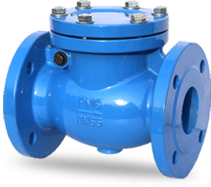
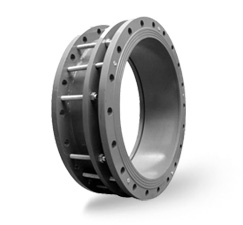
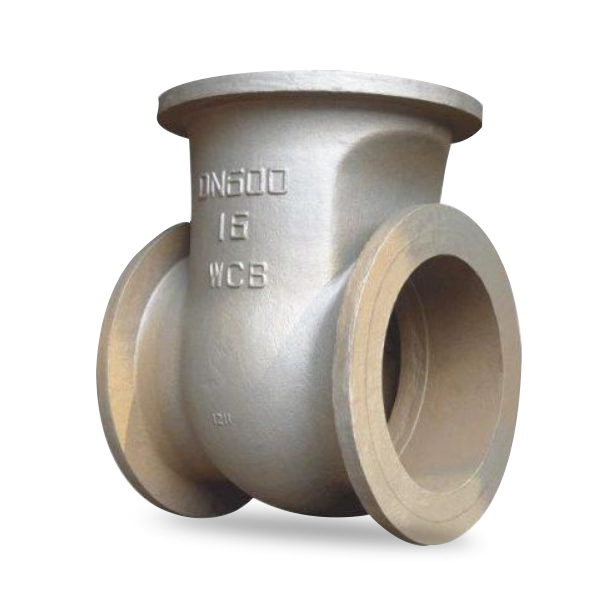








Im komplexen Ökosystem der Schiffstechnik hängt die Integrität der Rohrleitungssysteme eines Schiffes von der Präzision ihrer Komponenten ab. Zu den wichtigsten dieser Komponenten zählt das Kugelventil – ein Ventil mit linearer Bewegung zum Stoppen, Starten und Regulieren des Flüssigkeitsstroms. Die weltweiten Traditionen im Schiffbau haben jedoch zur Dominanz zweier unterschiedlicher Regelwerke geführt: der japanischen Industrienormen (JIS) und der Normen des Deutschen Instituts für Normung (DIN).
Die Wahl zwischen einem JIS-Schiffskugelventil und ein DIN-Normventil Es handelt sich nicht nur um eine Frage regionaler Präferenzen, sondern um eine technische Entscheidung, die sich auf Kompatibilität, Wartungspläne und die langfristige Betriebssicherheit auswirkt. Dieser Leitfaden bietet eine umfassende Analyse dieser Normen und hilft Ihnen bei Ihrer nächsten Entscheidung. Beschaffung von Schiffsventilen Radfahren mit Zuversicht.
1. Die Geschichte der Schiffsnormen: JIS vs. DIN
Um die technischen Nuancen zu verstehen, muss man sich zunächst die Ursprünge dieser Normen ansehen.
Das JIS-Rahmenwerk (Japanische Industriestandards)
Die JIS-Normen bilden das Rückgrat der asiatischen Schiffbauindustrie. Die JIS-F-Serie (speziell für den Schiffbau entwickelt) wird vorwiegend von Werften in Japan, Südkorea und China genutzt und konzentriert sich auf Kompaktheit und Gewichtseffizienz. Die Designphilosophie hinter einem JIS-Schiffskugelventil betont standardisierte Abmessungen, die einen einfachen Austausch innerhalb der beengten Verhältnisse eines Maschinenraums ermöglichen.
Das DIN-Rahmenwerk (Deutsches Institut für Normung)
DIN-Normen repräsentieren den Höhepunkt europäischer Ingenieurskunst und wurden weitgehend in EN- (Europäische Norm) und ISO-Normen harmonisiert. Der DIN-Ansatz zeichnet sich durch robuste Konstruktion und eine konservative Herangehensweise an Druckstufen aus. DIN-Normventil ist typischerweise auf in Europa gebauten Schiffen oder Offshore-Plattformen zu finden, wo die Einhaltung der ISO-Normen eine zwingende Voraussetzung für die Zulassung durch eine Klassifikationsgesellschaft ist.
2. Technischer Dimensionsvergleich
Die größte Herausforderung bei der Instandhaltung von Schiffen besteht darin, Ventile unterschiedlicher Normen auszutauschen. Obwohl sie mit bloßem Auge identisch aussehen mögen, unterscheiden sich die Lochmuster, Flanschdurchmesser und Baulängen oft erheblich.
Flanschbohrung und Teilkreisdurchmesser (PCD)
Der Lochkreisdurchmesser (PCD) ist die häufigste Fehlerquelle beim Versuch, Normen zu kombinieren. Die Nennweiten nach JIS 5K, 10K und 16K stimmen nicht vollständig mit DIN PN6, PN10 oder PN16 überein. Beispielsweise hat ein Ventil mit 50 mm Nenndurchmesser (DN50) nach JIS 10K einen anderen Lochkreisdurchmesser als ein DN50-Ventil nach DIN PN10.
Gesichts-zu-Gesicht-Längen
Die Gesamtlänge des Ventilkörpers ist ein weiterer entscheidender Faktor. DIN-Ventile weisen oft längere Gehäuse auf als ihre JIS-Pendants. Daher erfordert der Austausch eines DIN-Ventils gegen ein JIS-Ventil in der Regel die Anfertigung eines Distanzstücks (Abstandshalters) oder eine vollständige Modifizierung des Rohrleitungsabschnitts.
3. Baumaterialien
Marine Umgebungen sind besonders korrosiv. Beide Normen enthalten spezifische Anforderungen an die Werkstoffe, um eine lange Lebensdauer gegenüber Salzwasser und Hochdruckdampf zu gewährleisten.
|
Komponente |
Gängige JIS-Materialien |
Gängige DIN-Werkstoffe |
|
Körper |
Gusseisen (FC200), Sphäroguss (FCD450), Stahlguss (SCPH2), Bronze (BC6) |
GG25 (Gusseisen), GGG40.3 (Sphäroguss), GS-C25 (Stahlguss), Rg5 (Bronze) |
|
Stängel |
Messing (C3771BD) oder Edelstahl (SUS403/304/316) |
Messing (Ms58) oder Edelstahl (1.4021 / 1.4408) |
|
Scheiben-/Sitzbank |
Bronze (BC6) oder Edelstahl |
Edelstahl (X20Cr13) oder Stellit-Stahl |
Obwohl die chemische Zusammensetzung dieser Werkstoffe ähnlich ist, können sich die Prüfprotokolle für “Schlagfestigkeit” und “Dehnung” zwischen den japanischen und deutschen Methoden unterscheiden.
4. Druck- und Temperaturkennwerte
Ein weit verbreiteter Irrtum ist, dass die JIS-“K”- und DIN-“PN”-Klassifizierungen direkt gleichwertig sind. Zwar entspricht 10K ungefähr 10 bar und PN10 genau 10 bar, die Temperatur-Druck-Kennlinien unterscheiden sich jedoch.
- JIS-Bewertungen: JIS 5K, 10K, 16K, 20K und 30K.
- DIN-Bewertungen: PN6, PN10, PN16, PN25 und PN40.
Bei Hochtemperaturanwendungen (wie z. B. überhitztem Dampf) bietet ein DIN PN16-Ventil unter Umständen eine höhere Sicherheitsmarge als ein JIS 16K-Ventil, da die Wandstärken gemäß der Norm DIN/EN 1092-1 größer sind.
5. Visuelle und strukturelle Gestaltungsvariationen
Das Motorhaubendesign
JIS-Ventile verwenden bei kleineren Größen (unter DN50) häufig einen Überwurfmutterkopf, um eine schnelle Demontage zu ermöglichen. Im Gegensatz dazu verwenden DIN-Ventile über einen größeren Größenbereich hinweg oft einen verschraubten Mutterkopf, der eine sicherere Abdichtung bei Temperaturwechseln gewährleisten soll.
Handrad-Ergonomie
Obwohl dies ein nachrangiger Aspekt ist, verfügen JIS-Ventile oft über ein charakteristisches “Speichen”-Design an den Handrädern, wohingegen DIN-Hersteller häufig Vollrandräder oder speziell geformte ergonomische Griffe anbieten, die auf die Einhaltung bestimmter europäischer Sicherheitsrichtlinien ausgelegt sind.
6. Strategische Beschaffung von Schiffsventilen
Bei der Verwaltung einer Flotte ist die Logistik von Beschaffung von Schiffsventilen Um die “Leerstände” im Lager zu minimieren, ist ein standardisiertes Vorgehen erforderlich.
- Gefäßstammbaum: Ermitteln Sie stets die Herkunftswerft. Ein in Imabari oder Hyundai gebautes Schiff benötigt mit hoher Wahrscheinlichkeit JIS-Komponenten. Ein Schiff von Meyer Werft oder Fincantieri benötigt DIN-Komponenten.
- Umstellungskosten: Wenn Sie während eines Trockendockaufenthalts die Umstellung eines Systems von einem Standard auf einen anderen erwägen, berechnen Sie die Kosten für “Gegenflansche”. Oft ist es günstiger, das richtige Standardventil zu beschaffen, als die Flansche im gesamten Maschinenraum neu zu verschweißen.
- Zertifizierungsanforderungen: Stellen Sie sicher, dass Ihr Lieferant Zertifikate von IACS-Mitgliedern (LR, BV, ABS, DNV, NK) vorlegt. Sowohl JIS- als auch DIN-Ventile können zertifiziert werden, jedoch muss der Hersteller über ein von der Klassifikationsgesellschaft genehmigtes spezifisches Muster verfügen.
7. Vergleichstabelle: JIS vs. DIN
Die folgende Tabelle hebt die wesentlichen Unterschiede hervor, die Ingenieure bei der Auswahl berücksichtigen müssen.
|
Besonderheit |
JIS (F-Serie) |
DIN (EN-Norm) |
|
Primärmarkt |
Asien (Japan, Korea, China) |
Europa, Naher Osten, Afrika |
|
Designstandard |
JIS F7301 – F7399 |
DIN 3356 / EN 13709 |
|
Größenbereich |
DN15 bis DN600+ |
DN15 bis DN1000+ |
|
Flanschstandard |
JIS B2220 |
EN 1092-1 (ehemals DIN 2501) |
|
Maßeinheiten |
Metrisch |
Metrisch |
|
Typische Anwendung |
Handelsschifffahrt / Fischereifahrzeuge |
Industrieanlagen / Kreuzfahrtschiffe / Marine |
8. Bewährte Installationspraktiken
Unabhängig davon, ob Sie ein/e verwenden JIS-Schiffskugelventil Bei der Einhaltung europäischer Normen ist eine fachgerechte Installation von größter Bedeutung.
- Fließrichtung: Kugelventile sind richtungsgebunden. Achten Sie darauf, dass der Pfeil auf dem Ventilkörper in die Durchflussrichtung zeigt. Ein falsch herum eingebautes Kugelventil kann zu Vibrationen und vorzeitigem Verschleiß des Ventilsitzes führen.
- Dichtungsauswahl: Für Hochdruck-DIN-Systeme verwenden Sie Spiralwickeldichtungen. Für JIS-Systeme sind hochwertige asbestfreie Faserdichtungen der Industriestandard für den allgemeinen Einsatz.
- Drehmomentmuster: Beim Anziehen der Flanschschrauben ist stets eine sternförmige Drehmomentreihenfolge anzuwenden, um eine ungleichmäßige Belastung des Ventilkörpers zu vermeiden.
9. Schlussfolgerung
Die Debatte zwischen JIS und DIN dreht sich nicht darum, welcher Standard “besser” ist, sondern welcher für die jeweilige Anwendung “richtig” ist. Der JIS-Standard bietet eine effiziente, platzsparende Lösung, die in der globalen Schifffahrt weit verbreitet ist, während der DIN-Standard ein robustes, weltweit anerkanntes Rahmenwerk darstellt, das den ISO-Industrienormen entspricht.
Für Ingenieure und Einkaufsleiter ist der Schlüssel zum Erfolg Beschaffung von Schiffsventilen Der Schlüssel liegt in der frühzeitigen Erkennung. Durch die Überprüfung des Lochkreisdurchmessers (PCD) und der Baulänge des Flansches vor der Bestellung können Sie kostspielige Verzögerungen während kritischer Reparaturzeiträume vermeiden und die dauerhafte Seetüchtigkeit Ihres Schiffes sicherstellen.
Häufig gestellte Fragen
1. Kann ich ein DIN-Ventil an einem JIS-Flansch verwenden, wenn ich die Löcher neu bohre?
Nein, das Nachbohren von Ventilflanschen ist von den meisten Klassifikationsgesellschaften und Sicherheitsvorschriften strengstens verboten. Es beeinträchtigt die strukturelle Integrität des Flansches und kann unter Druck zu katastrophalen Leckagen führen. Verwenden Sie stets den korrekten Standard oder einen zugelassenen Adapterflansch.
2. Wie kann ich ein JIS-Ventil identifizieren, wenn das Typenschild fehlt?
JIS-Ventile lassen sich anhand der Anzahl der Schraubenlöcher und des Lochkreisdurchmessers (PCD) identifizieren. Darüber hinaus sind bei JIS-Ventilen häufig die Druckstufe (z. B. 10K oder 5K) und der Nenndurchmesser (z. B. 50 oder 100) direkt in das Ventilgehäuse eingegossen.
3. Welcher Standard ist für LNG- und Spezialtanker gebräuchlicher?
Während JIS für Standard-Massengutfrachter und Tanker, die in Asien gebaut werden, üblich ist, verwenden viele hochspezialisierte LNG-Tanker DIN- oder spezielle ISO-Normen für ihre kryogenen Systeme aufgrund der strengen Materialprüfungsanforderungen, die durch europäische Normen für die Kryotechnik vorgeschrieben sind.